Published on February 16, 2026
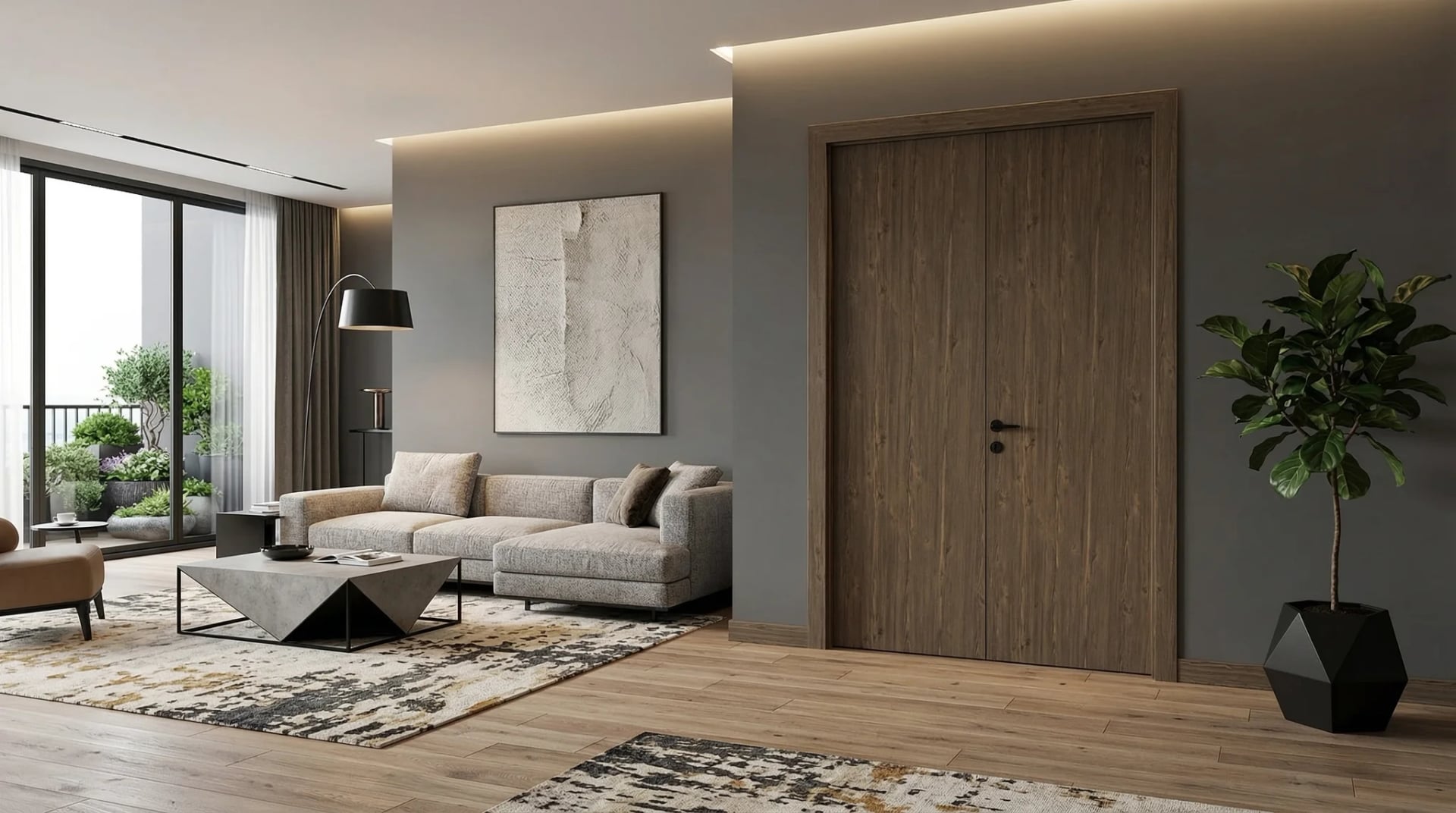
Choosing the Right Door for Your Home
Choosing the right interior door is an important part of designing or renovating your home. Interior doors affect privacy, comfort, durability, and the overall appearance of your living space.
Today, many homeowners prefer WPC interior doors because they offer excellent durability, moisture resistance, and minimal maintenance.
In this guide, we explain how to choose the best interior door for your home based on material, room function, durability, and design style.
What Is an Interior Door?
An interior door is a door used inside a home to separate spaces such as bedrooms, bathrooms, kitchens, and home offices.
Unlike exterior doors, interior doors mainly focus on:
- Privacy between rooms
- Interior design consistency
- Noise reduction
- Durability for daily use
Because interior doors are used frequently every day, choosing the right material is essential for long-term performance.
What Is a WPC Door?
A WPC door (Wood Plastic Composite door) is made from a combination of wood fibers and thermoplastic materials. This combination creates a strong, stable door that performs well in indoor environments.
WPC doors are commonly used for interior applications, especially in areas exposed to humidity such as bathrooms and kitchens.
Key Benefits of WPC Interior Doors
- Waterproof and moisture resistant
- Termite and insect resistant
- Strong and durable structure
- Low maintenance requirements
- Stable surface that does not warp or swell
Because of these advantages, WPC doors are becoming a popular choice in modern homes.
How to Choose the Best Interior Door
Selecting the right interior door requires considering several important factors to ensure it fits both the functional and aesthetic needs of your home.
1. Consider the Room Type
Different rooms require different door features.
Bedroom doors
- Provide privacy
- Help reduce noise
- Match the bedroom design
Bathroom doors
- Must resist humidity and water exposure
- WPC doors are ideal because they are waterproof
Kitchen doors
- Should tolerate temperature changes and moisture
Home office doors
- Help create a quiet and focused working environment
2. Choose a Durable Door Material
Interior doors are used many times a day, so durability is essential.
Common interior door materials include:
Solid wood doors
- Classic and natural appearance
- Can warp or swell due to humidity
Hollow core doors
- Lightweight and affordable
- Less durable
WPC doors
- Strong and stable structure
- Resistant to moisture and insects
- Require very little maintenance
Because of these benefits, WPC doors are widely used in modern interior construction.
3. Select the Right Door Design
Interior doors should complement the overall style of your home.
Popular interior door styles include:
Flush doors
Simple and modern design suitable for contemporary homes.
Panel doors
Traditional design featuring decorative panels.
Minimalist doors
Clean and simple surfaces that match modern interior designs.
Choosing a consistent door style throughout the house helps create a harmonious interior design.
4. Consider Maintenance Requirements
Some door materials require frequent maintenance such as painting, polishing, or moisture protection.
Modern WPC interior doors are designed to be low maintenance, making them a practical solution for homeowners who want long-term durability without ongoing upkeep.
Why Many Modern Homes Use WPC Interior Doors
WPC doors are increasingly used in residential projects because they combine durability, performance, and modern design.
They offer:
- Long service life
- Resistance to humidity and termites
- Consistent surface finish
- Minimal maintenance
These qualities make WPC doors especially suitable for homes in warm or humid climates.
Frequently Asked Questions
Are WPC doors suitable for interior use?
Yes. WPC doors are widely used for interior applications because they are durable, moisture resistant, and easy to maintain.
Are WPC doors waterproof?
Yes. WPC doors are highly resistant to water and humidity, which makes them suitable for bathrooms and kitchens.
Do WPC doors require maintenance?
Very little. Unlike traditional wooden doors, WPC doors usually do not require frequent repainting or polishing.
Are WPC doors better than wooden doors?
For many interior applications, WPC doors offer advantages such as moisture resistance, termite protection, and lower maintenance.
Final Thoughts
Choosing the right interior door involves balancing design, durability, and functionality. Modern homeowners increasingly choose materials that provide long-term performance with minimal maintenance.
WPC interior doors offer a practical and stylish solution for bedrooms, bathrooms, kitchens, and other indoor spaces.
By selecting high-quality interior doors, you can improve both the comfort and visual appeal of your home.